
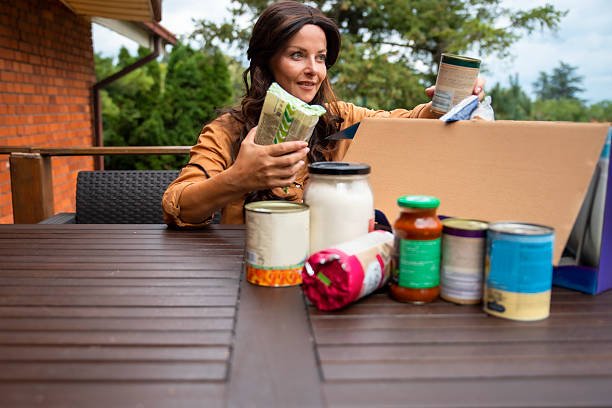
When you need free food and meals, it can be hard to find where to look. But there are many groups and services out there that are committed to helping families, people, adults, and anyone else who is having trouble getting enough food. This guide can help you find food banks, meal programs, and community help in your area that will really help, whether you’re having a hard time making ends meet right now or you just want to know what your options are before things get really bad.
Food security
When you don’t have enough money or your income changes often, it can be hard to make even the most basic meals. Not having enough food doesn’t just happen to big families; it can happen to any home. People who need help can get it from community-run food banks, meal programs, and charity kitchens. These groups give families free meals, groceries, or emergency food supplies, which helps them get through tough times. It can make a big difference in the health of your family to know where to look for help.
On-line and national tools
On-line lists and listings are one of the fastest ways to find a food store, food bank, or meal program near you. You can look for verified food aid services on a number of reliable websites that let you search by ZIP code, city, or area.
If you put in your city or ZIP code, these listings will give you a list of food banks, distribution centers, and meal programs in your area. If you just moved and don’t know what’s available in your new area, or if you want to look at a few places before choosing one, these tools will help you.
How Food Banks, Pantries, and Mobile Pantries in Your Area Work
Food stores and food banks are still the most important ways for communities to get food. A food bank is usually a big storage or distribution center where food from stores, farms, gifts, and extra goods is stored and sent to people in need. Food is then sent to smaller “front-line” organizations that give it to people directly, like food banks, soup kitchens, meal centers, and shelters.
Also, many towns now use “mobile pantries” or “food delivery vans” to go to areas that don’t have fixed pantries or where people have trouble getting to them. These mobile units bring fresh fruit or food boxes that have already been packed right to community centers, schools, or parking places that have been marked.
If you need help getting food, you should look at the plans for both fixed-location stores and mobile kitchens. You can usually find a food bank’s hours and days of release online, or you can call ahead to make sure.
Programs that serve meals to kids, seniors, and people with special needs
There are more than just general food stores and grocery freebies. There are also meal programs just for kids, adults, and people who have trouble moving around. There are free school meal programs, meal services after school, “Backpack” meal packages for the weekend, hot meal kitchens, and home delivery meal services for seniors or people who can’t leave their homes.
Some programs also offer extra help, like free food for babies and kids, healthy snacks, or home deliveries for people who can’t get there themselves. It’s a good idea to look for meal programs in your area as well as food pantries if you have kids or senior family members. These kinds of activities are often run by school districts, community centers, and groups that help seniors.
Community centers, faith-based groups
In a lot of towns and cities, food banks, meal handouts, and free meal events are run quietly by smaller religious groups, community centers, or nonprofits. These might not always be in big national databases, but they are usually easier to find because they are closer to home and not as crowded.
It can make a big difference to stay informed about these groups. Check out bulletin boards at community centers, libraries, places of church, or neighborhood social media groups. A lot of the time, volunteers post notices about future food drives, pop-up stores, and emergency food freebies.
If you don’t know where to begin, calling your local community center or looking in an online directory can help you find tools for both big and small groups.
What You Should Do Before You Go to Get Help
It helps to be ready before going to a food bank or a meal program. First, look at the hours and conditions. Many food banks are only open on certain days or at certain times. Others may ask for proof of residency or ID, or they may ask how many people live in your home. The staff normally asks soft questions to make sure that resources are shared fairly.
Second, bring your own bags or boxes to carry your food. Most of the time, pantries give out food but not bags.
Third, be kind and patient. Food stores that are run by volunteers may be busy or short-staffed. If you get there early, you may be able to get help before the goods run out.
Last but not least, don’t be afraid to call or come by and ask for help. Communities have food programs because they think everyone should be able to get the things they need, and workers are usually happy to help.
Frequently Asked Questions
How do I know if I can get help from a food bank?
Anyone who needs help with food can go to most food banks and lunch services. Some basic requirements, like income, family size, or where you live, may affect your eligibility, but many stores are open to anyone who is having a hard time, whether they’ve lost their job, are having trouble making ends meet, or are just going through a short-term rough patch. You should always get in touch with them.
Does it cost anything or do I need to pay?
Not at all. Free food banks, meal programs, and kitchens give away food or meals for free. Even though some may take gifts, they never make people pay to get help.
Can someone help me if I don’t have a car or a way to get around?
A lot of programs now offer supplies or mobile stores. There may also be community centers, public transportation, or ride-shares that can help you get to a store. If getting there is a problem, call ahead; some centers may know of close delivery places or other ways to help.
What if I’m not in the U.S.?
Even though the services talked about are in the U.S., there are similar food support programs all over the world, such as community meals, church charity programs, neighborhood food banks, and aid groups. You can look online for “[your city] free meals” or “[city] food bank” or visit websites for your local government or community group.
Can I get help more than once?
Yes. You can visit many food banks more than once, like once a week, once a month, or whenever your family needs to. Some people may want new information each time they come to make sure that resources get to the people who need them the most.
In conclusion
It doesn’t have to be hard or stressful to find free food banks and meal programs near you. There is often important help close by, like community-based pantries, movable pantries, food programs for kids or adults, and neighborhood nonprofits.
If you and your family are having trouble getting enough food, these tools can make a big difference. It’s okay to ask for help; these services are there so no one has to go hungry. You can get healthy food and meals when it matters most, today, tomorrow, and in the future, if you look into these choices, plan ahead, and ask for help when you need it.