
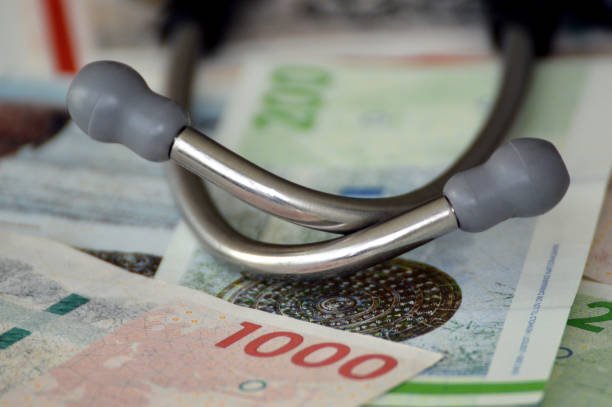
Access to healthcare is a basic need, but remains unaffordable for many individuals and families due to factors such as insufficient income, high insurance costs, or limited insurance coverage. Free healthcare and clinics are crucial for people facing financial hardship and ensure that everyone has access to the medical care they need. These facilities are designed to protect people’s health, prevent disease, and provide peace of mind for the community. They offer services ranging from routine checkups to specialized treatments.
Why are free healthcare facilities so important?
For individuals or families with low incomes or no insurance, medical costs can quickly become an unbearable burden. Free medical centers and care programs are established to address this need, providing free or low-cost medical care based on income. These facilities help prevent minor illnesses from escalating and reduce healthcare costs. Clinics and community services make healthcare more accessible, which promotes community health, improves quality of life, and leads to better long-term health outcomes.
Different Types of Free Clinics and Healthcare Services
The options for free care vary depending on where you live and the needs of your community. Many places have free, comprehensive medical centers that offer basic care, such as checkups, vaccinations, and treatments for minor ailments. Some centers specialize in women, children, people with mental health conditions, dental care, or the treatment of long-term illnesses. Mobile clinics are becoming increasingly popular because they bring care to areas where hospitals are difficult to reach. These centers ensure that everyone has access to personalized care by offering a wide range of services.
Government-Supported Healthcare Programs
In addition to public hospitals, many government-funded programs offer free or low-cost care. Low-income individuals and families can access the care they need through programs such as Medicaid, the Children’s Health Insurance Program (CHIP), and government-funded health centers. Most health centers charge a tiered fee, with rates based on the patient’s income and family size. These programs ensure that people have access to essential healthcare, such as preventive care, laboratory tests, and prescription medications, even when facing financial hardship.
Nonprofits Providing Healthcare
Nonprofits play a crucial role in helping vulnerable populations access healthcare. The Red Cross, the Salvation Army, and other local charities regularly organize free consultations, vaccination campaigns, dental and eye care, and health education. Nonprofits can also help cover the costs of prescription medications, transportation to and from healthcare facilities, and follow-up care. These organizations typically work with local healthcare professionals and volunteers to ensure that people in need have access to high-quality healthcare.
Targeted Healthcare Programs
Many free healthcare programs are tailored to specific groups or conditions. Women’s health centers offer counseling, mammograms, and care for pregnant women or women planning to become pregnant. Children’s centers focus on immunizations, growth and development monitoring, and early childhood health. Counseling and treatment, as well as other mental health services, are often offered by community organizations and charitable programs. Some groups also offer programs to help people with chronic conditions such as diabetes, high blood pressure, and asthma live healthier lives and reduce hospitalizations.
Online and Telemedicine
Technology is making healthcare more accessible to people with low incomes. Many places now offer free or low-cost telemedicine services, allowing people to communicate with doctors by phone or video chat. These services are particularly helpful for people with limited mobility, travel difficulties, or time constraints. Many websites offer tools for self-assessment of symptoms, health education materials, and self-care advice to prevent illness. While telemedicine cannot completely replace in-person visits, it is a quick and easy way to schedule regular checkups and follow-up appointments.
How to make the most of free clinics
Before visiting a free clinic, have the necessary identification documents, a list of your current medications, and all relevant medical documents ready. Arrive early if possible, as some clinics accept only a limited number of patients and operate on a first-come, first-served basis. Be honest with the doctor and nurses about your symptoms, medical history, and concerns. Clinics also offer additional services, such as health education, vaccinations, and preventive checkups; you should take full advantage of these. By being prepared and actively participating, you can maximize the benefits of free medical services.
Frequently Asked Questions
How do I get to a free clinic? Do I need insurance?
No, most free clinics treat everyone, even if they don’t have insurance. Some clinics may accept you if you have insurance, but you don’t need insurance to receive care.
Should low-income people go to free clinics?
Free clinics primarily help people with financial hardship, but depending on the clinic’s hours, some also serve everyone in the community.
Can I get the medications I need at a free clinic?
Many free clinics offer free medications or help patients find programs that reduce or reimburse medication costs.
Do I need an appointment? Or can I just show up?
It depends on the doctor. Some doctors accept appointments without an appointment, while others require one. It’s best to call ahead to confirm this and make sure you understand the appointment process.
Does the free center offer emergency services?
Most non-emergency medical services are available at free centers. In life-threatening situations, you should seek emergency medical care immediately.
In Summary
Free healthcare and clinic services are essential to helping individuals and families who cannot afford medical care. These programs ensure that no one loses their health due to financial constraints. They offer a wide range of services, from routine checkups to specialized care, internet access, and support for nonprofits. By learning about government programs, nonprofits, and community hospitals, people can access the care they need, maintain their health, and enjoy a better quality of life. By utilizing these resources, communities become stronger and people can be healthier and more resilient.